
Why OEMs Trust Indian Coupling Manufacturers for Global Supply
December 10, 2025
The Growing Demand for Indian Couplings in the Middle East and Africa
December 24, 2025 Dhaval Jani
on
Dhaval Jani
on


Dhaval Jani
Managing Director at Manglam Engineers
Dhaval Jani is the Managing Director of Manglam Engineers , a trusted manufacturer of transmission couplings and rubber parts. With a background in mechanical engineering and extensive industry experience, he leads the company’s focus on product innovation, manufacturing excellence, and global business growth.
Key Takeaways: The 5 Couplings You Need to Know
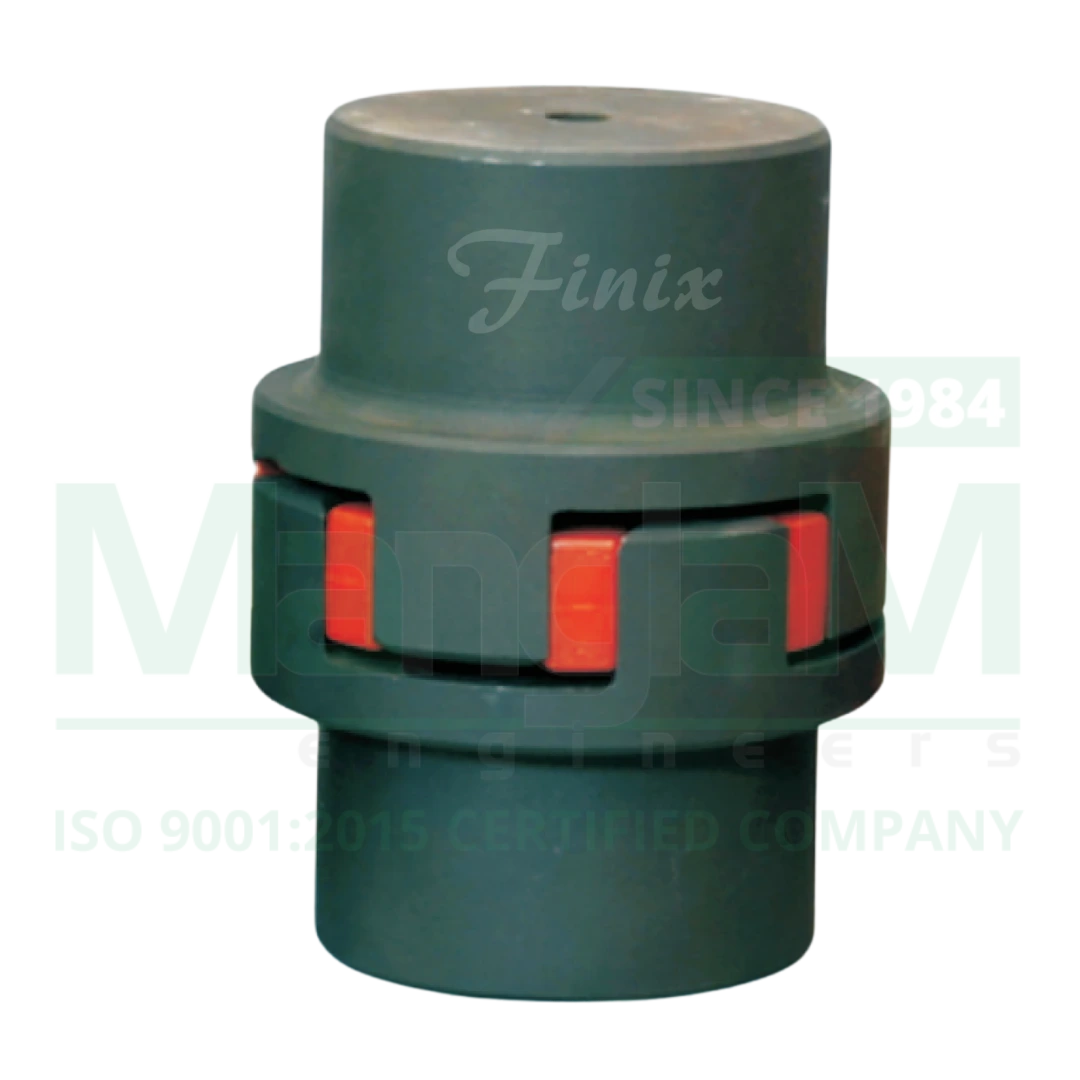
- Jaw Coupling (Star Coupling): The global standard for general purpose applications. It uses a Rubber Spider or Normex Type Spider to dampen vibration and handle moderate torque.
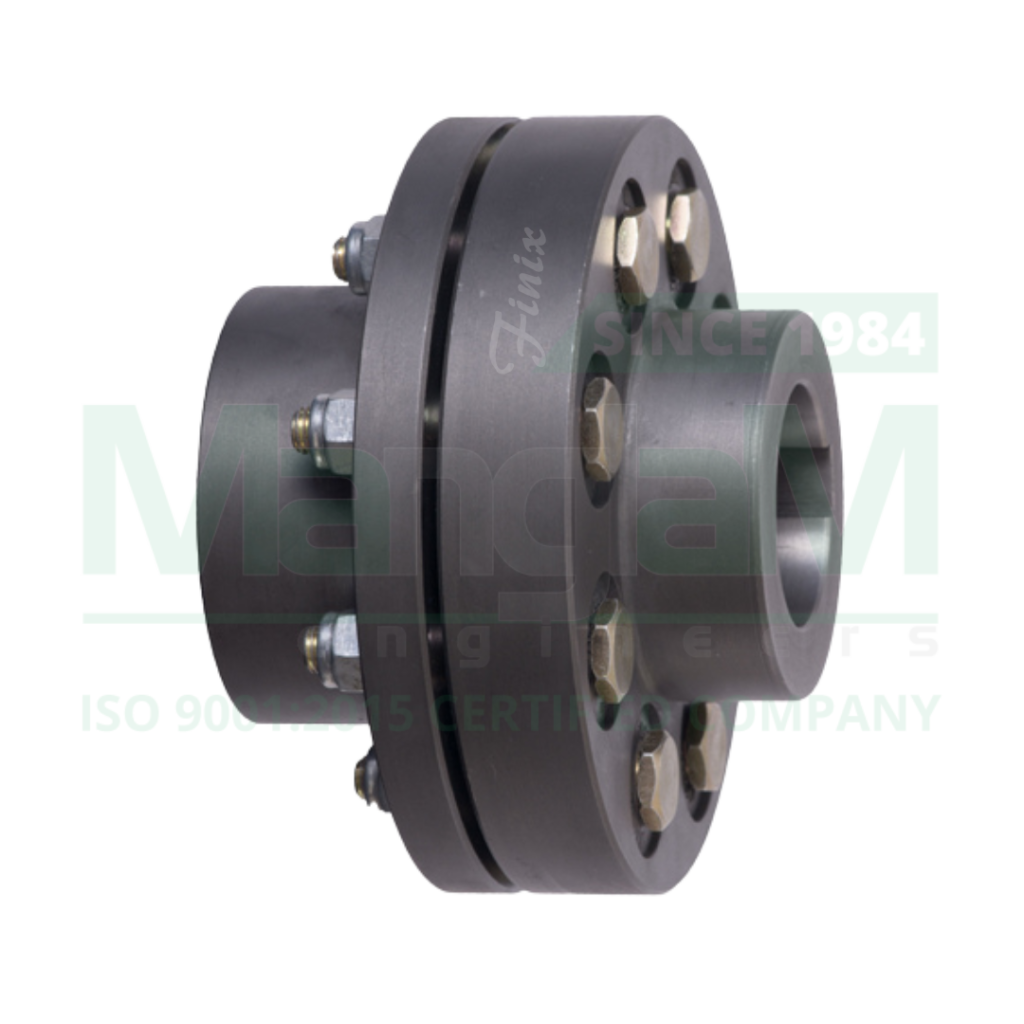
- Pin Bush Type Coupling: Best for high-torque applications requiring shock absorption. It uses rubber bushes to cushion the drive, protecting expensive gearboxes from sudden load spikes.
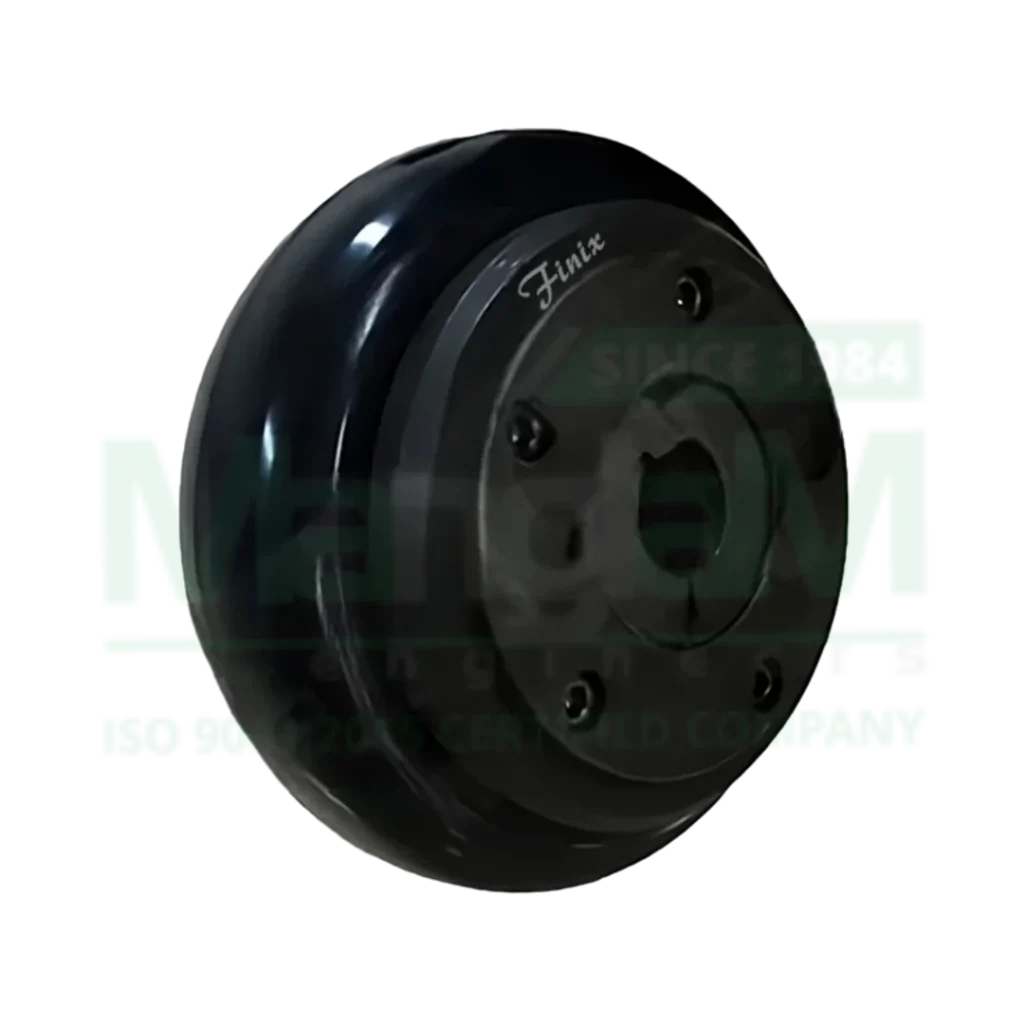
- Tyre Coupling: The “Misalignment Master.” It offers the highest flexibility, accommodating up to 4° angular misalignment, making it ideal for machinery on shifting foundations.
- Gear Coupling (GR Coupling): The heavy lifter. Designed for massive torque transmission in steel mills and mining, it uses interlocking gear teeth and requires lubrication.
- RRL Coupling (Spacer Type): Essential for pump maintenance. Its spacer design allows for “back-pull-out” servicing, letting you repair pumps without moving the motor or pipework.
Introduction
In the world of industrial machinery, coupling is the hero. It is the critical link that connects your driver (like a motor) to your driven equipment (like a gearbox or pump). Without reliable power transmission couplings, even the most expensive machinery becomes a static asset.
Choosing the wrong coupling is a costly mistake. It leads to vibration, shaft misalignment, and eventually, catastrophic failure. Whether you are running a textile mill in India or a mining operation in Australia, the principles of selecting mechanical power transmission couplings remain the same: you need reliability, torque capacity, and flexibility.
At Manglam Engineers, we manufacture the components that keep industries moving. From versatile Jaw Couplings to heavy-duty Gear Couplings, we understand that every application has unique demands. This guide lists the five most popular coupling types used worldwide, helping you make an informed choice for your plant.

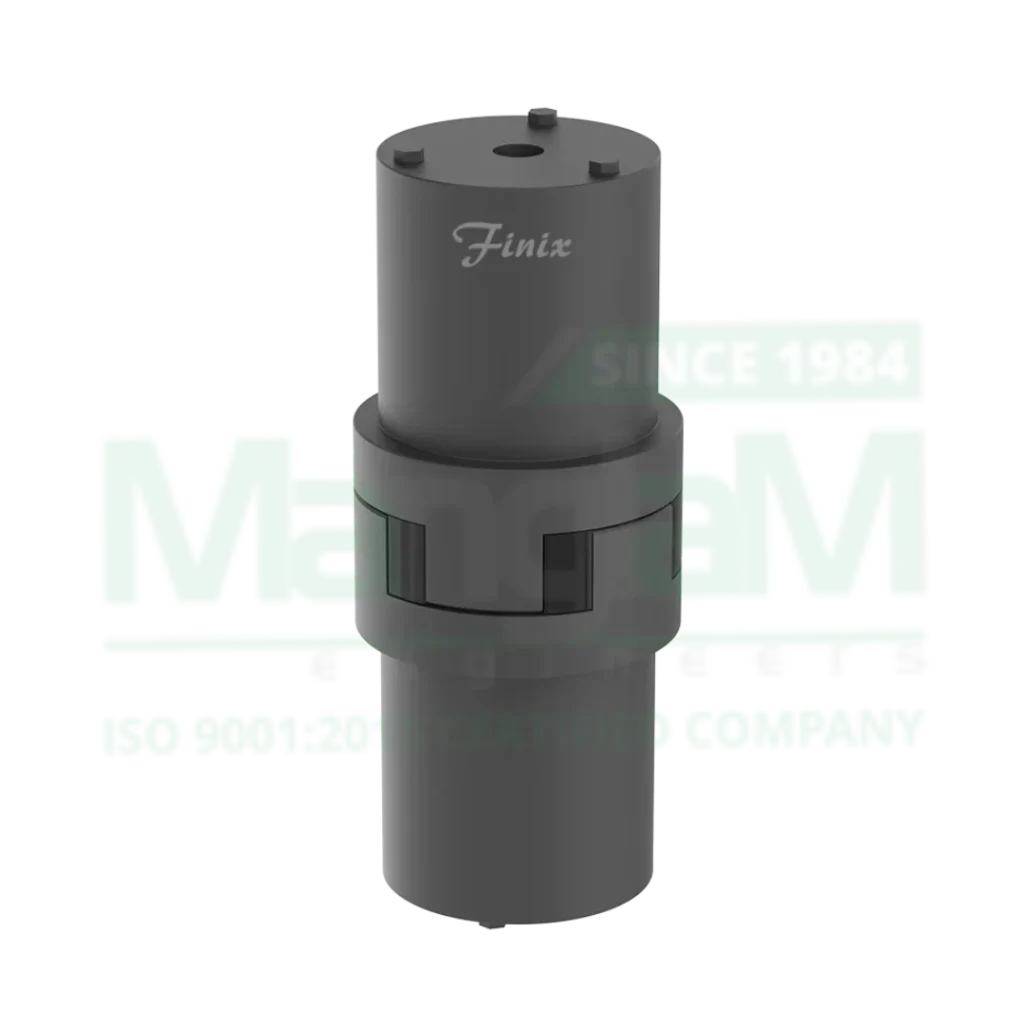
1. Jaw Coupling (Star Coupling): The Industry Standard
If you walk into any factory around the world, you will likely see Jaw Coupling. Often referred to as a Star Coupling, it is the most common type of flexible power transmission coupling.
How It Works: It consists of two metal hubs with interlocking jaws. placed between them is an elastomeric insert, known as a Rubber Spider or SW Type Spider.
Why It Is Popular:
- Fail-Safe: If the spider fails, the jaws interlock, allowing the machine to continue (albeit noisily) until safe shutdown.
- Versatility: By changing the spider material (e.g., using Hytrel or Bronze), you can increase torque capacity or chemical resistance.
- Cost-Effective: It is one of the most affordable solutions for connecting small to medium motors.
Manglam Insight: We offer different spider hardness levels to fine-tune the damping characteristics for your specific application.
2. Pin Bush Type Coupling: The Shock Absorber
When your machinery faces sudden starts, stops, or shock loads, standard couplings can snap. This is where the Pin Bush Type Coupling shines.
How It Works: Torque is transmitted through high-tensile steel pins fitted with Rubber Bushes. These bushes sit in holes within the coupling flange.
Why It Is Popular:
- Shock Damping: The Rubber Bush compresses under load, absorbing the “kick” from a motor start or a jammed conveyor.
- Serviceability: You can replace the pins and bushes without assembling the entire coupling setup.
- High Torque: It handles significantly more torque than a jaw coupling of the same diameter.
3. Tyre Coupling: The Misalignment Solver
Alignment is rarely perfect. Foundations settle, and thermal expansion moves shafts. The Tyre Coupling is designed to handle these imperfections better than any other type.
How It Works: It uses a highly flexible rubber or polyurethane “tyre” element clamped between two flanges.
Why It Is Popular:
- Superior Flexibility: It handles large amounts of angular, parallel, and axial misalignment.
- Vibration Control: The soft tyre element acts as a damper, isolating motor vibration from the driven equipment.
- Easy Maintenance: You can replace the tyre element without moving the motor or the machine – a huge time saver for maintenance teams.
4. Gear Coupling (GR Coupling): The Heavy-Duty Powerhouse
For heavy engineering – think of steel rolling mills, crushers, and port cranes – you need powerful strength. Gear Couplings are the undisputed kings of high torque.
How It Works: These are rigid-flexible couplings that transmit torque through the meshing of internal and external gear teeth.
Why It Is Popular:
- Power Density: They transmit more torque per kilogram of coupling weight than any other type.
- Durability: Being all-metal, they don’t have rubber parts that age or degrade in sunlight.
- Long Life: With proper lubrication (grease) and seals like Rubber O’Rings, they can last for decades.
Because they are metal-on-metal, Gear Couplings require regular maintenance to check grease levels.
5. RRL Coupling (Spacer Type): The Pump Specialist
In fluid handling and HVAC industries, downtime is the enemy. The RRL Coupling, also known as Spacer Coupling, is engineered specifically to reduce downtime during pump maintenance.
How It Works: It features a removable center spacer piece.
Why It Is Popular:
- Back-Pull-Out Feature: It allows maintenance engineers to remove the pump’s mechanical seal or impeller without disturbing the motor or the pump casing alignment.
- Precision: It maintains the high alignment standards required for modern centrifugal pumps.
- Simplicity: It combines the flexibility of a jaw coupling with the utility of a spacer.
Comparison: Which Coupling fits Your Needs?
To help Industrial procurement managers choose quickly, here is a direct comparison.
Coupling Type | Torque Capacity | Misalignment | Shock Absorption | Maintenance Level | Best Application |
Jaw (Star) | Moderate | Low | Moderate | Low | Fans, Blowers, Small Pumps |
Pin Bush | High | Moderate | High | Moderate | Elevators, Conveyors |
Tyre | Moderate | High | Excellent | Very Low | Compressors, Crushers |
Gear (GR) | Very High | Low | Low | High (Grease) | Steel Mills, Cranes |
RRL (Spacer) | Moderate | Low | Moderate | Low | Centrifugal Pumps (ISO) |
How to Select the Right Power Transmission Coupling?
Selecting among the different types of couplings in power transmission requires analyzing three key factors.
1. Torque and Horsepower
Don’t just look at the motor’s horsepower. Calculate the Design Torque by applying a Service Factor. A rock crusher needs a higher service factor (2.0+) than a ventilation fan (1.0).
2. Misalignment Expectations
If your installation is on a rigid, laser-aligned bedplate, Jaw or Gear Coupling is fine. If the machine is on a vibrating floor or skid, a Tyre Coupling is the safer bet to prevent shaft breakage.
3. Environmental Conditions
- Heat & Oil: Standard rubber degrades here. You may need Hytrel spiders or Viton O-Rings.
- Dust: Abrasive dust can wear out open rubber elements. Enclosed couplings or SW Couplings are better suited for dirty environments like cement plants.
Why Choose Manglam Engineers for Your Couplings?
At Manglam Engineers, we don’t just sell parts; we provide solutions for global coupling manufacturers and end-users alike.
Whether you need a custom Rubber T-Cushion, a precise MT Coupling, or a bulk order of RRS Couplings, our manufacturing facility in India is equipped to deliver export-quality components.
- Quality Materials: We use virgin rubber for our Anti-Vibration Rubber Mounts and spiders, ensuring longevity.
- Global Standards: Our couplings are manufactured to meet international dimensional standards, ensuring they are interchangeable with major global brands.
- Expert Support: Our team helps you calculate the right service factor and choose the correct coupling size.
Conclusion
Power transmission couplings are the foundation of your plant’s reliability. Whether you need the rugged flexibility of a Tyre Coupling or the precision of an RRL Coupling, the right choice ensures your production line keeps moving.
Don’t let a small component cause a big shutdown. Trust Manglam Engineers for high-quality, durable couplings that meet global standards.
Ready to upgrade your machinery? Contact Manglam Engineers Today for a quote or technical consultation on your next project.
Contact Manglam Engineers Today. →Frequently Asked Questions (FAQs)
The Jaw Coupling (Star Coupling) is the most common due to its low cost, simplicity, and “fail-safe” design. It is used extensively in pumps, compressors, and general automation.
Rigid power transmission couplings join shafts solidly and cannot handle any misalignment. Flexible couplings (like Tyre or Pin Bush) are designed to bend slightly to accommodate angular or parallel misalignment without damaging the shafts.
Use a Gear Coupling when you have a high-torque, low-speed application, such as heavy mixing, metal rolling, or mining. They are best for applications where space is limited, but power transmission needs are high.
Yes. RRL (Spacer) Couplings allow you to disconnect the driven machine (like a pump) without moving the heavy motor. This saves hours of realignment work during seal replacements.
Inspect the Rubber Spider visually. If you see cracks, missing “legs,” or rubber dust (powder) on the safety guard, it is time to replace it. A worn spider can cause metal-on-metal contact, which generates sparks and noise.